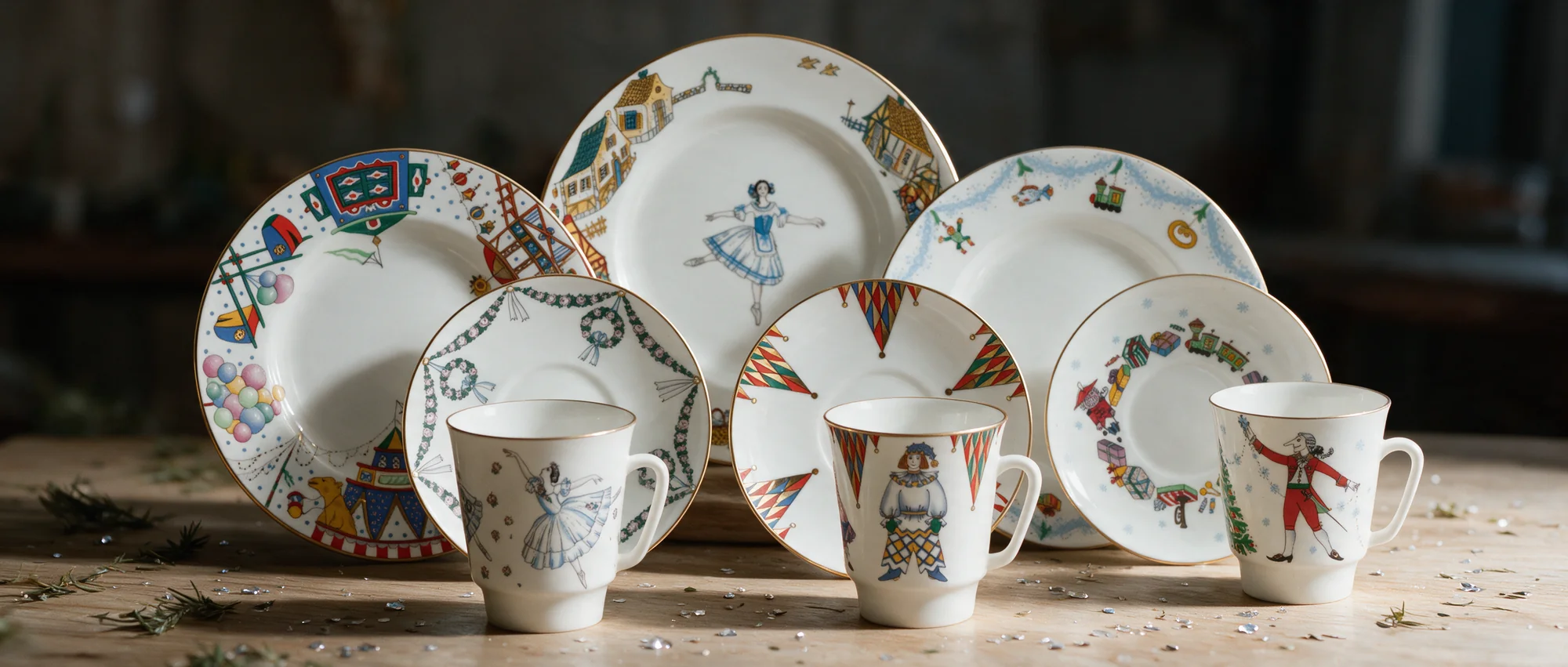
The Manufactory
The Imperial Porcelain Factory
Made by hand beside the Neva since 1744.

The Imperial Porcelain Factory was the third hard-paste porcelain manufactory established in Europe, after Meissen and Vienna, and the first in Russia.
Its founder, Dmitry Vinogradov, did not simply reproduce a foreign formula. He developed a porcelain body of his own using Gzhel clay, alabaster and quartz. The work was closely guarded: the composition was treated as a state secret, and Vinogradov’s laboratory notes were written in cipher.
The essential process established then remains familiar today: forming, firing, glazing, firing again, and decorating by hand.
What has changed over the centuries is not the process, but the artists who have worked within it.

I
The Formula
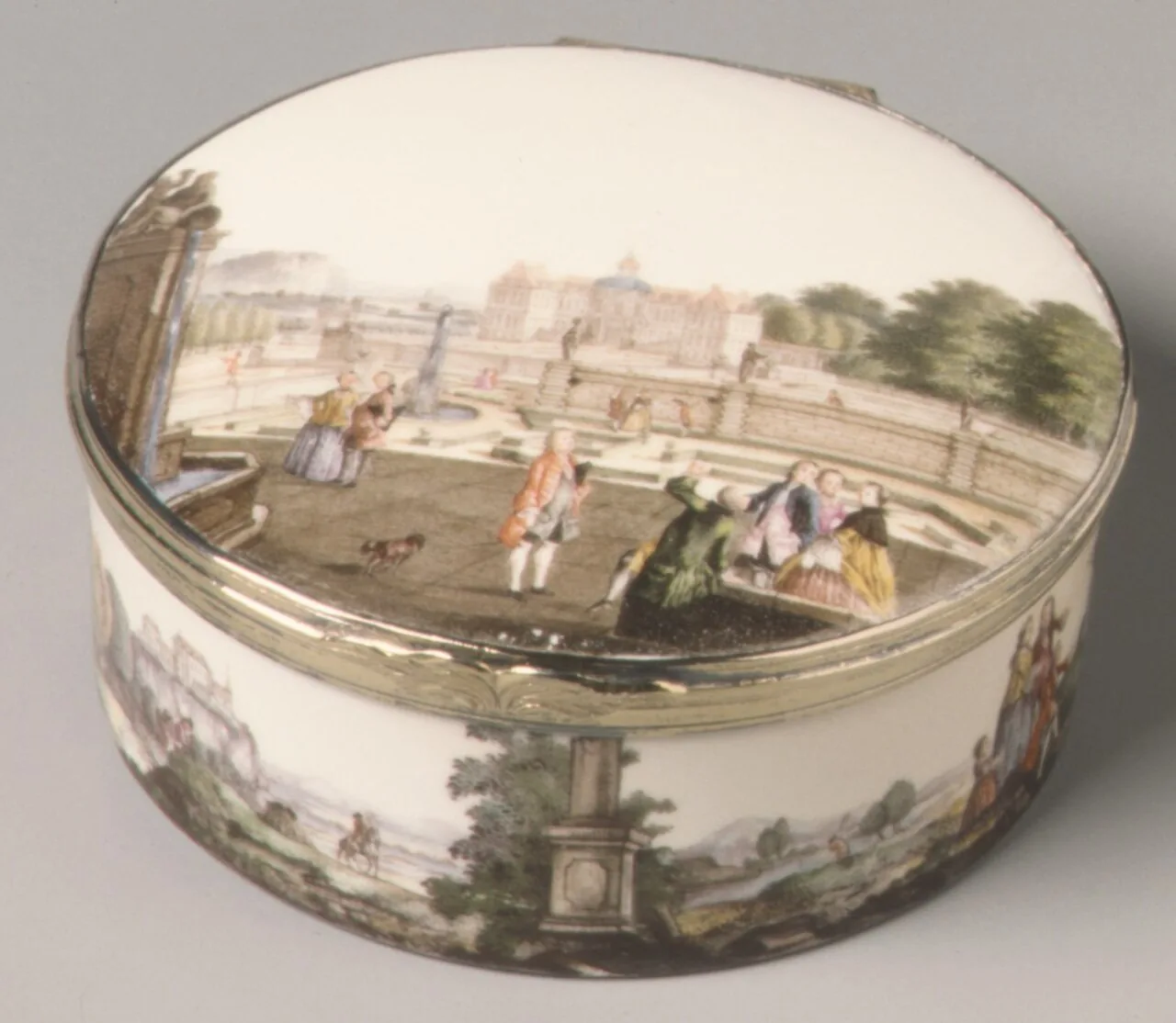
A Russian formula, developed from first principles
Porcelain achieved by 1747
A fellow student of Mikhail Lomonosov at Marburg, Vinogradov was the first Russian to successfully develop a hard-paste porcelain body.
He experimented with Gzhel clay, alabaster and quartz, built kilns capable of reaching the required temperatures, and recorded his findings in cipher. The composition of the porcelain was considered a state secret.
Vinogradov spent much of his short life at the manufactory. His work was closely supervised, and in his final years he worked under guard. He died at thirty-eight.
The porcelain body he developed became the foundation for everything the manufactory produced afterward.

II
The Painting Studio
Painting became an art in its own right
Under Nicholas I, the factory was expected to set the highest possible standard of porcelain production. Its painting workshops became closely connected with the Imperial Academy of Arts, attracting some of the finest artists of the period.
They reproduced paintings from the Imperial collections on porcelain, including works by Raphael, Correggio and Leonardo. Large compositions could take months to complete, with some details painted using brushes made with only a few hairs.
Each year, the Emperor selected outstanding pieces for his personal collection. Those annual selections eventually formed the basis of the factory museum, whose collections are now held by the Hermitage.

III
Agitation Porcelain
The avant-garde on Imperial porcelain
Malevich · Kandinsky · Altman
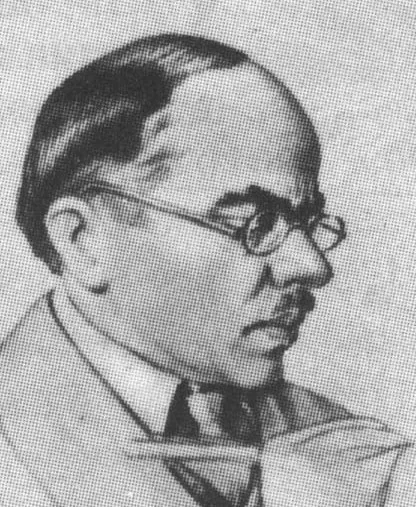
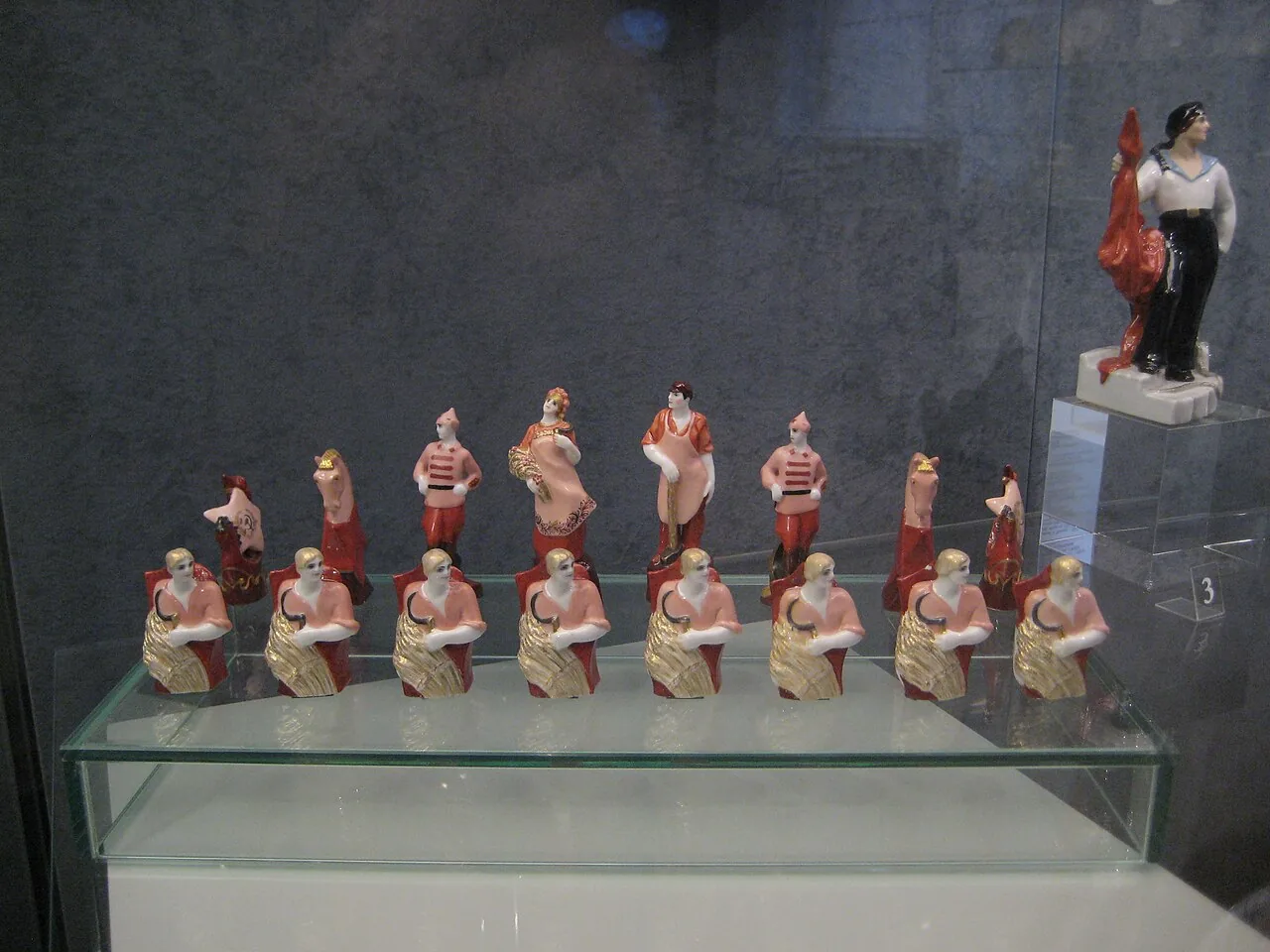
In 1918, artist and designer Sergey Chekhonin became head of the factory’s artistic department. He found thousands of undecorated white pieces produced before the Revolution and gave them a new purpose.
Imperial porcelain forms were covered with bold new imagery, slogans and revolutionary symbols. Traditional porcelain techniques met the visual language of the Russian avant-garde.
The result was something unique: objects made with the technology of the Imperial court, but carrying the ideas of a completely new era.
These pieces became known as agitation porcelain and are now among the most sought-after works of early Soviet porcelain.
Cobalt appears almost black when it is applied to the white porcelain body. Its final colour is revealed only after firing.
On underglaze painting
IV
The Moulds Still in Use
Historic models, still produced today
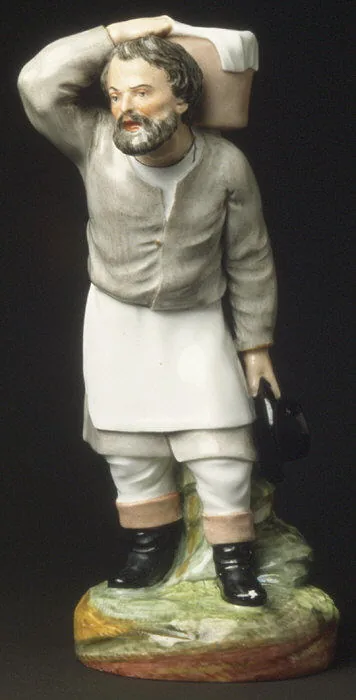
In the eighteenth century, sculptor Jean-Dominique Rachette was commissioned to create a series of figures representing the peoples, professions and everyday life of the Russian Empire.
His work became one of the most ambitious attempts to document the country through porcelain.
More than a century later, sculptor Natalia Danko brought the same tradition into the Soviet period. Her figures captured the people and atmosphere of the 1920s in small-scale porcelain sculptures.
Many of these historic models remain in production today. The forms are cast from the original models and finished by hand, so each new piece retains the character of the original while remaining individually painted.

V
The Lovers
Still in production
After the original in the Hermitage
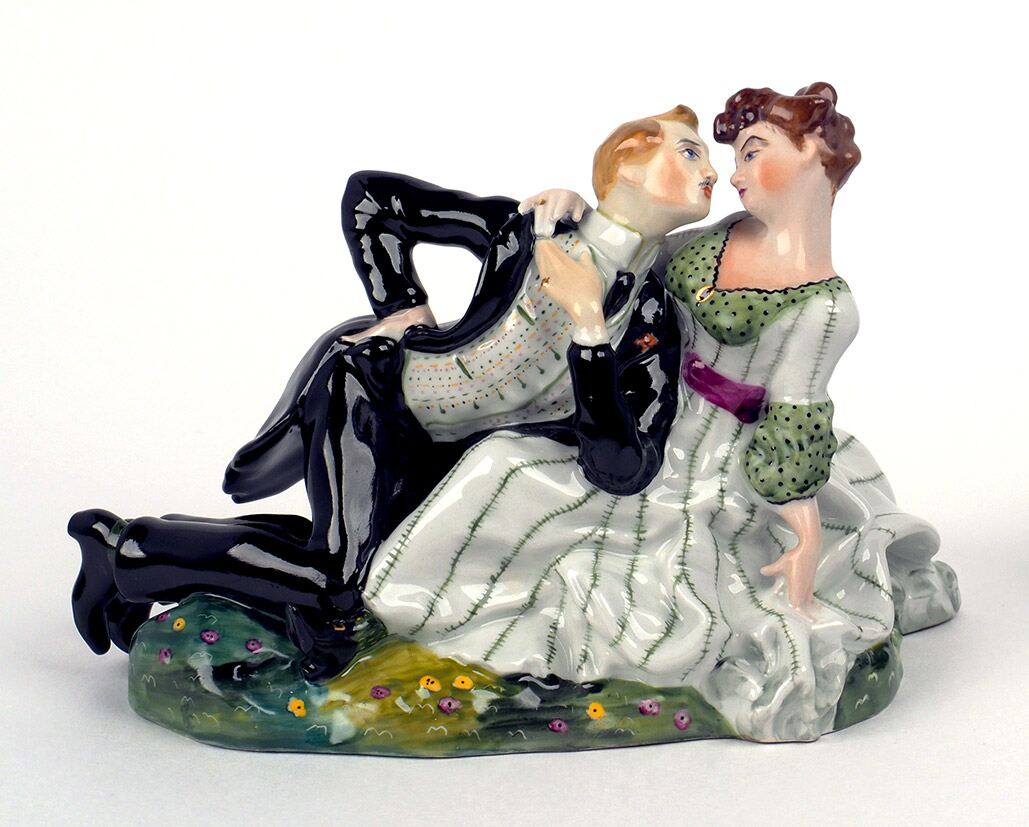
Somov’s The Lovers captures the playful elegance of the Rococo through the eyes of an artist working more than a century later.
The figures seem to have stepped out of a pastoral scene, caught in a private moment of flirtation. The whiteness and delicacy of porcelain suit the subject perfectly, preserving the sense of a fleeting encounter.
The original composition is held in the collection of the State Hermitage Museum. The porcelain group is still produced at the factory from the historic model, then glazed, fired and painted by hand.
VI
Why Lomonosov?
Two names. One manufactory.
LFZ, 1925 · Historic name restored, 2005
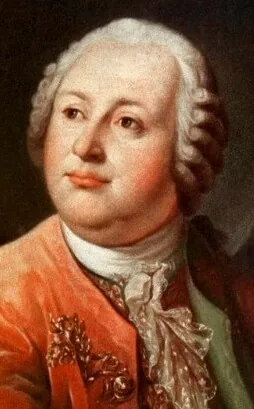
Mikhail Lomonosov never worked at the porcelain factory. His connection to it came through Dmitry Vinogradov, his fellow student at Marburg.
Lomonosov’s influence was intellectual rather than practical. His scientific approach — to observe, calculate and experiment rather than rely on assumption — was closely aligned with the method Vinogradov used to develop Russian porcelain.
In 1925, the factory was renamed after Lomonosov and became known as LFZ for most of the twentieth century. That is the name many American collectors still associate with the porcelain.
The historic name, Imperial Porcelain Factory, was restored in 2005.
Both names refer to the same manufactory in St. Petersburg.

A History in Dates
- 1744Empress Elizabeth Petrovna orders the founding of the Neva Porcelain Manufactory.
- 1747Dmitry Vinogradov develops the first Russian hard-paste porcelain body.
- 1765The manufactory becomes the Imperial Porcelain Factory.
- 1780sThe Arabesque Service and Peoples of the Russian State series are created.
- 1844The factory marks its centenary and establishes a museum on the premises.
- 1918The era of agitation porcelain begins under artists including Sergey Chekhonin, Mikhail Adamovich and Anna Leporskaya.
- 1925The factory is renamed after Mikhail Lomonosov and becomes known as LFZ.
- 1939Factory artist Nikolai Suetin designs the interior of the Soviet Pavilion at the New York World’s Fair.
- 1944Anna Yatskevich creates the Cobalt Net design.
- 1958The factory receives a gold medal at the Brussels World’s Fair.
- 2005The historic name, Imperial Porcelain Factory, is restored.
Images: Wikimedia Commons, The Metropolitan Museum of Art, The State Hermitage Museum, The British Museum — public domain