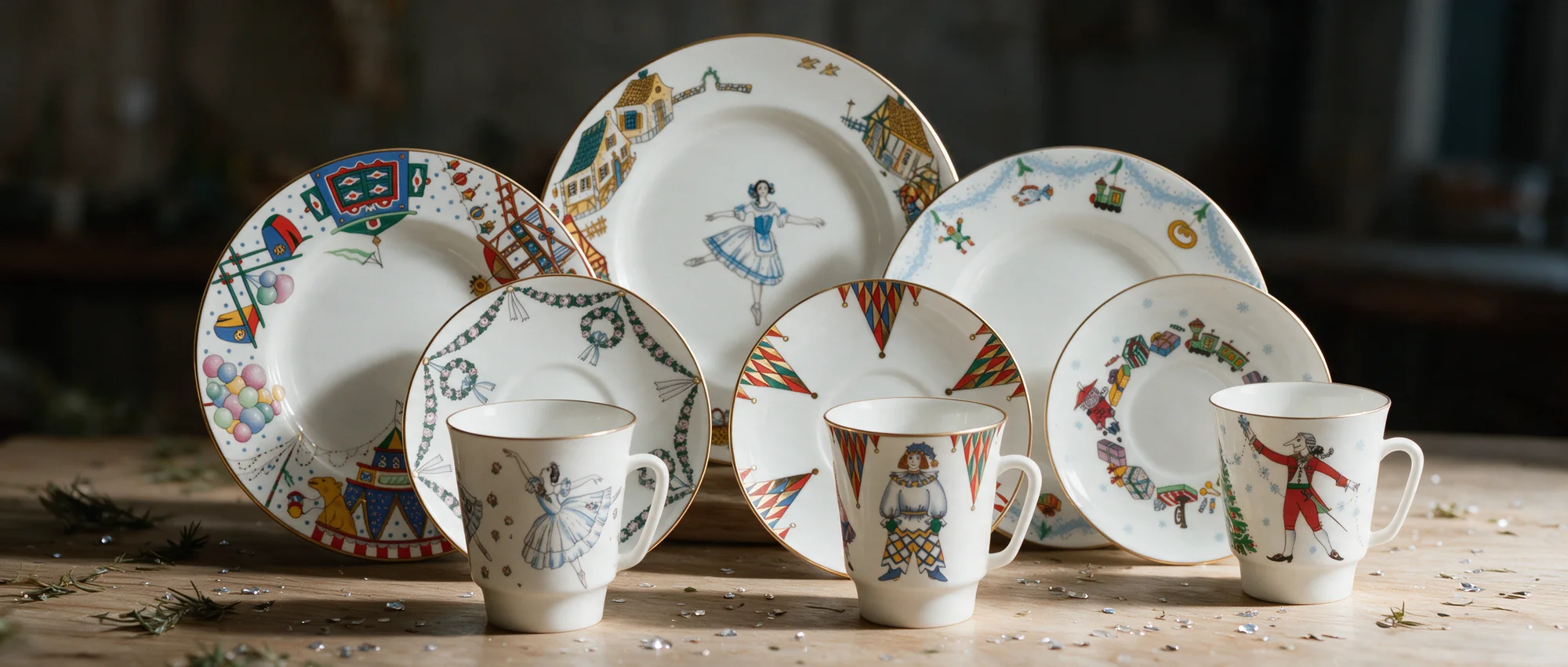
Imperial Porcelain House — Lomonosov Porcelain from the Imperial Porcelain Factory



The artists behind the porcelain
The artists behind the collection
The Imperial Porcelain Factory’s collection carries the work of generations of artists. These historic designs and models remain part of the factory’s production today, giving each piece a name, a date and a story.
 Sergey Chekhonin1878—1936Head of the painting department from 1918, Chekhonin shaped the factory’s graphic language through distinctive lettering, borders and ornamental designs. His work remains part of its artistic heritage.
 Natalia Danko1892—1942For two decades, Danko led the sculpture workshop and created some of the factory’s most distinctive figurines. Many of her original models continue to be cast and painted today.
 Konstantin Somov1869—1939The Lovers, created in 1905, is among the factory’s best-known sculptural groups. Somov’s original model remains in production, bringing a work of early twentieth-century art into the collection today.
 Anna Yatskevich1904—1952In 1944, Yatskevich created Cobalt Net, now one of the most recognisable patterns in the factory’s history. The design remains in production and has become an enduring symbol of Imperial Porcelain.
Gift ideas


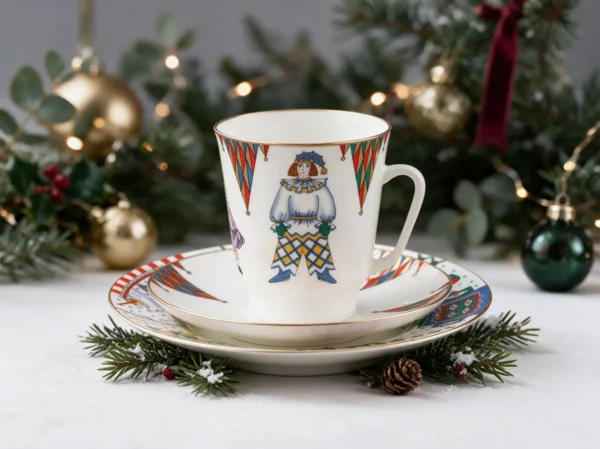
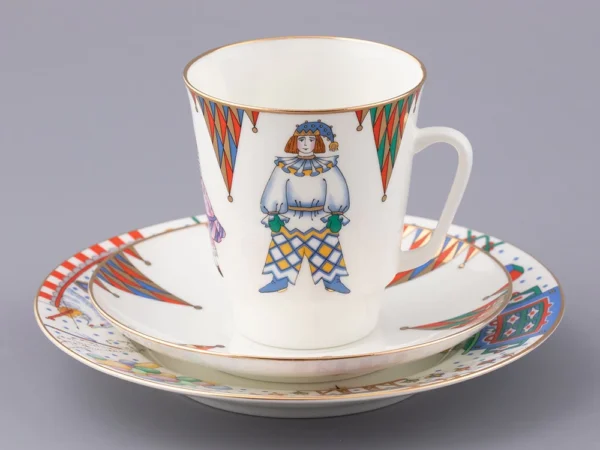


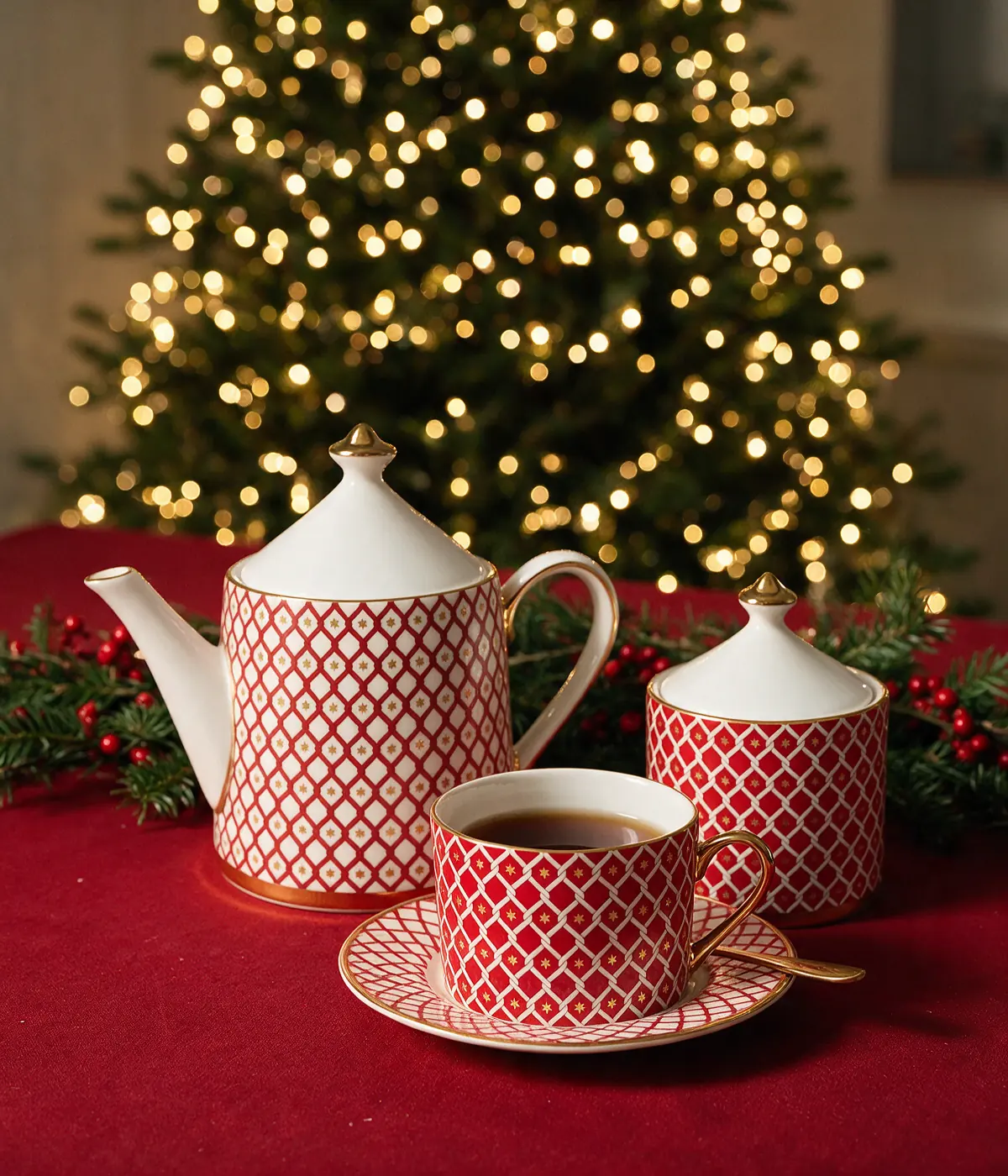
 A gift you will not find in a storeThe full factory catalog is open to you: sculptures, limited editions, complete dinner services. Name the occasion, and we’ll handle the rest.Special orders
New arrivals

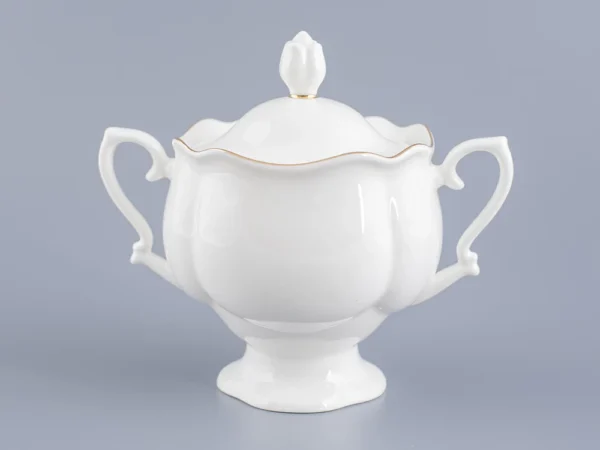


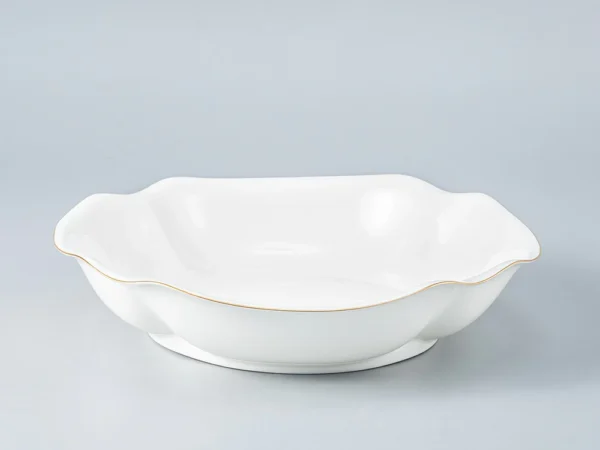
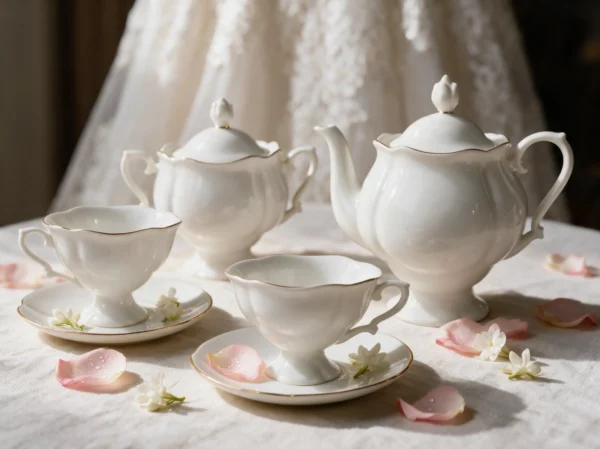
What Lomonosov porcelain means
Americans call it Lomonosov porcelain; the factory calls itself the Imperial Porcelain Factory. Both names belong to the same works in Saint Petersburg. From 1925 to 2005 the Soviet state named it after the scientist Mikhail Lomonosov. The marks of those years read LFZ. In 2005 the factory took back its founding name. Collectors kept the old one.
That matters when you read a backstamp. Pieces from the Soviet decades carry the LFZ mark; pieces made now carry the imperial mark with the double-headed eagle. Neither is more authentic than the other — they date the piece, nothing more. Matching something you already own? Send a photograph of its mark. We will tell you what you have and what still exists.
Two bodies, one factory
The factory works in two materials. Hard-paste porcelain gives the heavier, opaque forms — vases, figurines, larger serving pieces. Bone china gives the thin translucent walls you see in the tea sets. Hold a cup to a lamp and the light comes through. Most of our Cobalt Net and White Gold tea sets are bone china; most of the sculpture is not.
Living with it
Underglaze cobalt sits beneath the fired surface, so the blue net patterns take the dishwasher without fading. Gilding is another matter. Anything with a gold edge or gold painting should stay out of the microwave, and it prefers a hand wash. The metal is real and thin. Cups travel better with a sheet of felt between them than stacked rim to rim.
Hand painting also leaves small differences between pieces. A leaf sits a millimetre off, a gold line runs a shade heavier. Those are not faults, and the factory will not correct them.
None of this makes Lomonosov porcelain fragile. The factory has made it for tables rather than vitrines since 1744.